


OEM vs ODM vs OBM in Clothing: What’s the Best Model for Your Brand?

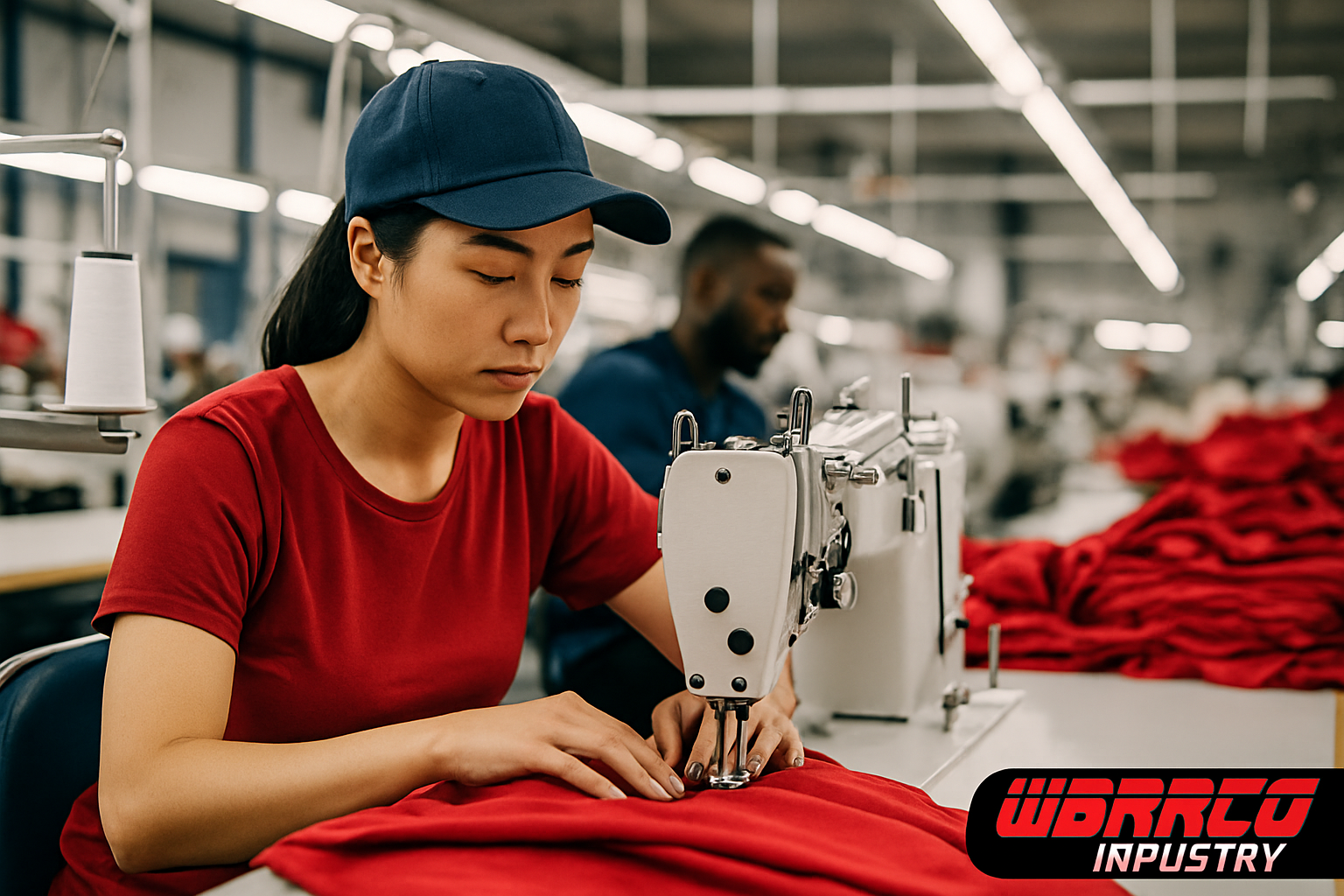
Choosing how to manufacture your apparel is one of those decisions that shapes everything that follows—your speed to market, margins, product identity, and even how customers perceive your brand. Three models dominate the clothing industry: OEM, ODM, and OBM. Each has its place. Pick the wrong one and you’ll fight the process; pick the right one and production feels smooth.
This plain‑English guide explains each model, when to use it, what it costs in time and money, and how to match the model to your stage of growth. Along the way, you’ll see where a custom apparel manufacturer, a custom sportswear manufacturer, or a Clothing casualwear Manufacturer fits into the picture—especially if you’re planning OEM production.
The three models in one minute
- OEM (Original Equipment Manufacturer) – Your design, their factory. You own the concept, fit, and branding. The factory engineers, sources, cuts, sews, decorates, and ships to your spec. Highest control, most unique result.
- ODM (Original Design Manufacturer) – Their design, your label. You choose from existing styles, make light tweaks (colors, logos), and go to market quickly. Lower development cost, fastest launch.
- OBM (Own Brand Manufacturer) – Their design, their label. The manufacturer sells its own brand. You may distribute or retail their products, but the product identity isn’t yours.
If you want a signature line that feels unmistakably yours, you’re probably looking at OEM. If you need speed or want to test a category, ODM is a clever shortcut. And if you’d rather resell a proven label, OBM can work.
OEM: when uniqueness and control matter
What it looks like in practice
You bring a tech pack (or at least a clear brief): sketches, measurements, Pantone colors, decoration notes, labels, and packaging requirements. A factory—often a custom clothing manufacturer or custom apparel manufacturer with strong development chops—translates your idea into production reality. You approve samples, confirm pricing and timelines, and the line runs to your master sample.
Why brands choose OEM
- Distinct product identity. Your patterns, your fits, your fabric choices.
- Brand‑level control. Labels, packaging, and compliance (REACH/OEKO‑TEX®) handled your way.
- Scalable margin structure. As quantities grow, per‑unit costs drop and the line becomes very profitable.
What to plan for
- More development time. Protos → size sets → PP (pre‑production) sample.
- Higher setup cost per style. Your spec is unique, so the factory builds it from the ground up.
- Clear documentation. Great tech packs save weeks; vague briefs burn them.
Perfect for: established or ambitious brands, teams and clubs, retailers with private‑label strategies, and anyone ready to own their product DNA.
ODM: fast track with sensible guardrails
What it looks like
You browse a manufacturer’s catalog, select a base style, and customize what’s safe—colors, graphics, trims, maybe minor fit adjustments. You get speed and lower upfront risk.
Why brands choose ODM
- Speed to market. You can launch in weeks, not months.
- Lower development spend. No need to draft entire patterns from scratch.
- Category testing. Try a trend or a new sport without committing fully.
Trade‑offs
- Limited uniqueness. Others can buy the same base shape.
- Less fit control. Major pattern changes often defeat the purpose of ODM.
Perfect for: startups, influencers, retailers piloting new categories, or any brand that needs product now.
OBM: ready‑made brand, minimal development
What it looks like
The factory designs, manufactures, and markets products under its own name. You become a distributor or retail partner. It’s the least demanding path operationally—but you aren’t building your own IP.
Why brands choose OBM
- No development overhead. You focus on sales and merchandising.
- Lower inventory risk. Proven styles, predictable reorders.
- Fastest onboarding. Paperwork, price list, order—done.
Trade‑offs
- No product ownership. It’s their label, not yours.
- Competitive parity. Your assortment can mirror other sellers of the same brand.
Perfect for: retailers and teams that want quality uniforms or athleisure without owning the product roadmap.
How to choose: a quick decision framework
Ask yourself three questions and follow the path that fits most answers:
- How original must the product be?
- “It has to be ours.” → OEM
- “Decent fit, fast launch.” → ODM
- “We want to resell a proven label.” → OBM
- How fast do you need inventory?
- Weeks → ODM/OBM
- A few months with samples → OEM
- What’s your budget for development?
- Tight, test first → ODM/OBM
- Invest to build IP → OEM
Timelines and MOQs you can plan around
- OEM
- Sampling: 2–3 weeks (proto → size set → PP)
- Bulk: 4–8 weeks after PP approval
- Typical MOQ: 100–300 units per style/color (more if custom dye/fabric)
- ODM
- Sampling: 1–2 weeks (logo/colour approvals)
- Bulk: 3–6 weeks
- Typical MOQ: 100–200 units per style/color, often lower for repeats
- OBM
- Sampling: none (finished goods)
- Lead time: depends on stock; weeks for replenishment
- MOQ: by case/carton or model
Tip: If you’re selling in the UK/EU, ask for DDP shipping and REACH/OEKO‑TEX® documentation up front. If you’re working with a Clothing Manufacturer , confirm they can provide export‑ready paperwork and HS codes.
What really drives your price (and how to keep it sensible)
- Fabric & trims. Fiber type, GSM, finishes, zippers, labels. Heavier or specialty inputs cost more.
- Pattern complexity & sewing time. More panels = more minutes = higher cost.
- Decoration method & coverage. Sublimation, screen print, DTF, embroidery—bigger or denser artwork costs more.
- Order size & colorways. Consolidate colors/sizes to lower handling time and unlock better tiers.
- Packaging & extras. Swing tags, polybags, stickers, and custom cartons add cents that add up.
- Incoterms. EXW/FOB/CIF/DDP decide who pays freight, insurance, and duties; DDP looks higher but lands at your door with taxes paid.
Smart cost moves without hurting quality
- Reduce panel count or switch to a simpler seam.
- Trim the print area or select a more efficient method.
- Share the same base fabric across multiple styles.
- Ask for tiered quotes (e.g., 200 / 300 / 500 units).
- Request a simple cost breakdown (fabric, make, print, packaging, overhead).
Compliance & labeling (don’t leave this late)
- EU/UK: confirm REACH alignment and ask for OEKO‑TEX® options.
- Labels: care instructions, fiber content, and Country of Origin must be correct.
- Importer IDs: you’ll often need an EORI for UK/EU.
- Color control: approve lab dips and strike‑offs against your Pantone references.
From ODM to OEM: a practical roadmap
- Launch fast with ODM to validate demand.
- Track what sells—fits, fabrics, graphic styles.
- Convert bestsellers into OEM production with refined patterns and brand‑specific details.
- Protect repeatability: keep the sealed PP sample, fabric lot, and trim codes.
This path gets revenue in while you develop your own product DNA.
Questions to ask any factory before you commit
- What’s the MOQ per style/color?
- Can you source OEKO‑TEX®/REACH‑aligned fabrics?
- What are your sample and bulk lead times this quarter?
- Which print methods are in‑house vs outsourced?
- Can you quote FOB and DDP to my city?
- What AQL level do you use for final inspections?
- Can you provide a cost breakdown by fabric/make/print/packaging?
Example inquiry (copy, tweak, send)
Subject: RFQ – OEM leggings + training tee
Hi Team,
We’re sourcing a custom sportswear manufacturer / custom clothing manufacturer for two styles under OEM production.
• Fabric: 220–240 GSM nylon/spandex leggings; 170–180 GSM poly tee (OEKO‑TEX® preferred)
• Decoration: small left‑chest screen print on tee
• Quantities: 200 / 300 / 500 units per style and color
• Terms: Please quote FOB and DDP [City, Country]
• Timings: PP sample by [date], ex‑factory by [date]
• Attachments: tech packs, size chart, Pantone codes
Please include your AQL standard and a simple cost breakdown (fabric, make, print, packaging).
Thanks,
[Your Name]
So…which model should you pick?
- Choose OEM if originality, fit control, and long‑term brand value are non‑negotiable.
- Choose ODM if you need to launch quickly with low development overhead.
- Choose OBM if you want to retail a manufacturer’s own label with minimal production involvement.
If you’re building for the long run, OEM will feel like home—especially with a seasoned custom fitnesswear manufacturer or custom apparel manufacturer that can translate your spec into a consistent, scalable line. For many brands, the winning play is to start with ODM to validate demand, then graduate to OEM production once the bestsellers are clear.