


Polyester vs Cotton: Which Fabric Is Better for Sportswear?

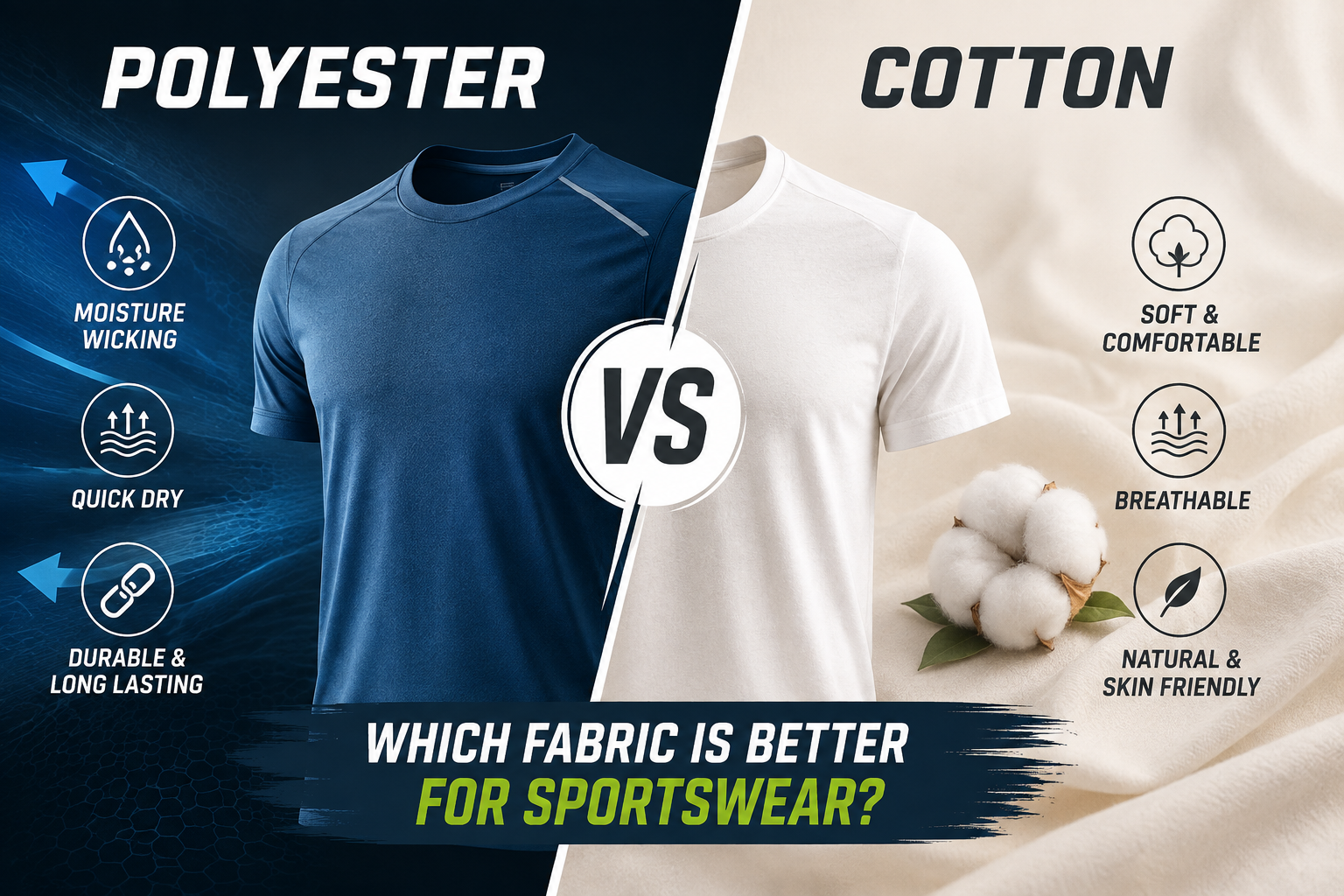
Stand in front of your closet before a workout, and you’ll probably face the same question that thousands of people search for every single day: polyester vs cotton — which one should you actually wear? It sounds like a small decision, but if you’ve ever finished a run in a soaked, heavy cotton tee that clung to your back like a wet towel, you already know fabric choice isn’t just a detail. It’s the difference between a comfortable workout and a miserable one.
At Warr Coindustry, we manufacture sportswear day in and day out, and this is hands-down one of the most common questions we get from customers, brands, and gym-goers alike. So let’s settle it — properly, honestly, and without the fluff.
The Quick Answer
If you want the short version: polyester is generally better for sportswear, especially for anything involving sweat, movement, or outdoor training. Cotton is better for comfort-first, low-intensity, everyday wear. But like most things in life, the full answer is a little more nuanced — and that nuance is exactly what will help you make the right call for your body, your sport, and your climate.
Polyester or Cotton — What’s the Real Difference?
To understand cotton or polyester, you have to go back to where these fabrics actually come from.
Cotton is a natural fibre, grown from the cotton plant. It has been used in clothing for thousands of years because it’s soft, breathable, and gentle on the skin. It absorbs moisture well — almost too well, as we’ll get into shortly.
Polyester, on the other hand, is a synthetic fibre made from petroleum-based polymers. It was engineered, not grown, which means manufacturers can tweak its properties for specific performance needs — like moisture-wicking, stretch, and durability. That’s exactly why it dominates the activewear and sportswear industry today.
So when people ask “polyester cotton” or “cotton polyester” — which is stronger, cooler, or more breathable — they’re really asking: do I want a natural fiber built for softness, or an engineered fiber built for performance?
Polyester vs Cotton in Summer: Which Keeps You Cooler?
This is one of the most searched questions out there, and for good reason — nobody wants to feel like they’re wearing a soggy blanket in July.
Here’s the truth: cotton feels cool when you first put it on, but it holds onto sweat. Once you start sweating heavily, that cotton shirt becomes heavy, damp, and slow to dry — which can actually make you feel hotter and more uncomfortable over time.
Polyester, especially performance-grade polyester used in sportswear, is designed to pull moisture away from your skin and spread it across the fabric surface so it evaporates faster. This is called moisture-wicking, and it’s the single biggest reason athletes and gym-goers reach for polyester in hot weather. So for polyester vs cotton in summer, polyester generally wins for anyone who’s actually training or sweating — while cotton is fine for a lazy, low-effort summer day.
Polyester vs Cotton in Winter: Does It Still Matter?
In colder weather, the game changes a bit. Cotton retains more heat when dry, but the moment it gets damp (from sweat or rain), it loses its insulating power and can leave you feeling cold and clammy — which is genuinely risky during outdoor winter workouts.
Polyester, particularly when blended with fleece or brushed inner layers, keeps you warm and dry, since it doesn’t hold onto moisture the way cotton does. For polyester vs cotton in winter sportswear, polyester (or poly blends) is still the smarter pick for anything active — take a look at our winter training layers built for exactly this. Save the cotton hoodie for lounging around the house.
Polyester vs Cotton T-Shirt: What Should You Actually Buy?
This is where things get personal. A polyester vs cotton t-shirt debate really comes down to what you’re using it for.
- Gym, running, sports: HIIT. Go polyester or a poly-blend. It moves with you, dries fast, and won’t weigh you down. Check out our moisture-wicking training tees.
- Casual wear, lounging, sleeping: Cotton wins. It’s soft, breathable at rest, and gentle on skin. Browse our pure cotton essentials.
- Hybrid lifestyle (commute-to-gym types): A cotton-polyester blend gives you the best of both — a bit of that natural cotton feel with the added durability and shape retention of polyester. See our cotton-poly blend collection.
Polyester vs Cotton for Skin: Is One Better for Sensitive Skin?
If you have sensitive skin or conditions like eczema, this question matters a lot — and it’s genuinely one worth taking seriously.
Cotton is naturally hypoallergenic and breathable, which is why it’s often recommended for people with skin sensitivities. It doesn’t trap heat against the skin the same way synthetic fibres can, and it allows air to circulate.
Polyester, especially lower-quality or non-breathable versions, can sometimes trap heat and sweat close to the skin, which may irritate some people — particularly during intense, sweaty workouts. However, high-quality technical polyester (the kind used in proper sportswear, not cheap fast-fashion synthetics) is engineered specifically to avoid this problem through breathable knit structures and moisture control.
So, for polyester vs cotton for skin, if you have very sensitive or reactive skin, a cotton-poly blend or a high-performance breathable polyester is usually the safer middle ground rather than going 100% either way.
Polyester vs Cotton Health: Any Real Concerns?
When people search for polyester vs cotton health, they’re usually asking two things: does the fabric affect skin health, and does it affect breathing or comfort during exercise?
From a comfort and hygiene standpoint, cotton absorbs sweat and can hold onto bacteria and odour if it stays damp for too long, which isn’t ideal for gym wear that sits in a bag after a workout. Polyester dries faster, which actually helps reduce bacterial buildup, though it can develop its own “sweaty” odour over time if not properly treated or washed. Many performance polyester sportswear pieces now include anti-odour or antimicrobial treatments to solve exactly this.
Neither fabric poses a serious health risk for the average person when used appropriately. The real “health” consideration is more about hygiene, breathability, and skin comfort during and after activity — not toxicity or danger.
Polyester vs Cotton Feel: Which One Actually Feels Better?
This one’s subjective, but worth addressing honestly.
Cotton has that classic, soft, “broken-in” feel people love — especially after a few washes. Polyester, historically, had a reputation for feeling slippery or plasticky. But modern performance polyester used in quality sportswear has come a long way. Brushed, knit, and blended polyester fabrics now feel soft, stretchy, and comfortable against the skin — a world away from the stiff polyester of decades past.
So, for polyester vs cotton feel, cotton still wins for pure “cosy” comfort, but well-made polyester sportswear is far closer than most people expect.
Polyester vs Cotton Price: What’s More Budget-Friendly?
Generally speaking, polyester is cheaper to produce than cotton, since it’s manufactured synthetically at scale rather than grown, harvested, and processed like a crop. This is part of why so much affordable sportswear is made from polyester or poly blends.
That said, pricing also depends heavily on quality, brand, and finishing techniques. A premium moisture-wicking polyester performance shirt can cost more than a basic cotton tee — so polyester vs cotton price isn’t a flat rule; it depends on the grade and purpose of the fabric.
Polyester and Cotton Blends: The Best of Both Worlds?
Here’s something a lot of guides skip: you don’t always have to choose one or the other. Cotton and polyester blends — often labelled as CVC or poly-cotton — combine the softness and breathability of cotton with the durability and shape retention of polyester.
These blends are popular in sportswear because they reduce shrinkage, resist wrinkles, and hold their shape better than 100% cotton, while still feeling more natural against the skin than pure polyester. If you’re not sure which fabric suits you, a cotton and polyester fabric blend is often the safest starting point.
Polyester vs Cotton Pillow: A Quick Side Note
While this is slightly outside sportswear, it’s a commonly searched comparison worth a quick mention. For pillows, cotton is breathable and great for people who sleep hot, while polyester (often used in pillow filling, not just the cover) tends to be more affordable, hypoallergenic in filling form, and easier to maintain. It’s a different use case, but the underlying fabric logic — breathability vs durability — still applies.
Our Final Verdict
If you’re buying sportswear for actual training, running, gym sessions, or outdoor activity, polyester (or a high-quality poly blend) is the smarter, more practical choice. It manages sweat, dries fast, retains its shape, and holds up to repeated washing far better than plain cotton.
If your priority is everyday comfort, sensitive skin, or low-intensity activities, cotton — or a cotton-polyester blend — is a perfectly solid option.
At Warr Coindustry, we manufacture both, because we believe the “best” fabric depends entirely on what you’re doing in it. Browse our performance polyester sportswear collection for training gear built to move with you, or check out our cotton and blended fabric apparel if comfort is your top priority.
Frequently Asked Questions
Is polyester or cotton better for sportswear?
Polyester is generally better for active sportswear because it wicks moisture, dries quickly, and holds its shape through repeated wear and washing.
Which is cooler in summer, polyester or cotton?
Polyester performance fabric tends to keep you cooler during exercise because it moves sweat away from the skin, while cotton absorbs and holds moisture, making it feel heavier and hotter over time.
Is polyester bad for sensitive skin?
Not necessarily. Cheap, non-breathable polyester can irritate sensitive skin, but high-quality, breathable performance polyester used in proper sportswear is generally safe and comfortable for most people.
Are cotton-polyester blends good for gym wear?
Yes. Blends combine cotton’s softness with polyester’s durability and moisture control, making them a solid middle-ground option for both casual and light workout wear.
Does polyester smell more than cotton after sweating?
Polyester can trap odour if not treated or washed properly, but many modern sportswear polyesters include antimicrobial finishes specifically to prevent this.
Looking for sportswear that’s actually built for performance? Explore Warr Coindustry’s full range of polyester, cotton, and blended activewear engineered for comfort, durability, and everyday performance.